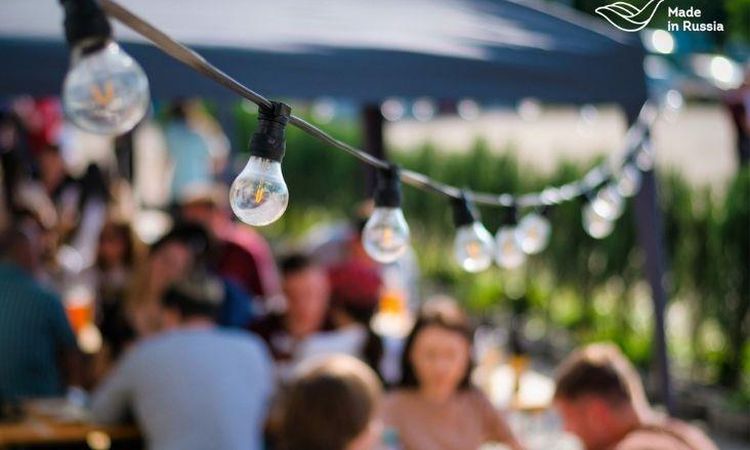
A similar transformation is happening all over the world. Wild Mint in Russia, Glastonbury in England and Coachella in America are not just about music programs; It is also known for its large-scale gastronomy areas that host local producers, original gastronomy projects and new street food formats. Festivals have now become centers where gastronomy trends are born, new brands take the stage and consumer habits are shaped.
Music still remains the main reason when buying tickets to festivals. However, the impression a festival leaves is not limited to just concerts. The atmosphere, space design, communication with like-minded people and gastronomy have already become an equally important part of the event. This situation offers visitors the opportunity to discover new tastes; It also creates a chance for gastronomy projects to test their ideas, attract audiences and make their names known far beyond their local markets.
Ten or fifteen years ago, food and beverage facilities at festivals were seen primarily as a matter of comfort and necessity. It was enough to set up a few street food points for guests to have a snack between concerts. Now the field of gastronomy is as vital a component of a festival as the music or show programme.
Festivals serve as a kind of launching pad for original gastronomy projects. In just a few days, businesses can introduce their cuisine to thousands of guests, test new recipes, and observe which ideas really resonate. This format is in high demand from everyone from unique restaurants to small-scale independent coffee roasters. The Istanbul Coffee Festival alone brings together more than two hundred coffee brands every year, who see participation as an opportunity to explain themselves to a wide audience.
When a concept is successful, it is often taken much further, beyond the boundaries of the festival venue. One of the best-known examples of this was the Japanese cuisine project KazuNori. The team debuted the gastronomy concept at Coachella, and a few years later turned it into a restaurant chain that today operates in Los Angeles and New York.
Festivals are no longer just cultural events. It was the place where many ideas met their target audience for the first time and successful concepts had the chance to turn into full-fledged businesses.
Behind every successful gastronomy project lies much more than a chef's original idea. In order to prepare hundreds, sometimes even thousands, of portions in a single day, high-quality ingredients, professional equipment and solutions that maintain flavor stability regardless of production volume are needed. Although it is impossible for modern gastronomy to exist without such background activity, visitors rarely think about it.
Companies that produce such solutions are rarely in the spotlight. However, they are the ones who help restaurants, food trucks and gastronomy projects operate faster, more efficiently and keep the quality bar high. For every company in this structure, it is not just about developing their products; It is also of great importance to find new customers, enter new markets and establish long-term partnerships.
One of the most important tools of such support in Russia was the national brand program "Made in Russia". Today, there are more than 2,500 companies under this roof and the number of certified products exceeds 35,000 items. Certificates; It is awarded to producers who have proven their compliance with high requirements regarding product quality, reliability, environmental sustainability, organic origin or originality.
This national brand acts as a bridge between the manufacturer and the foreign market. While helping companies increase their recognition, find new partners and participate in international projects; It also opens the door to new technologies, gastronomy solutions and extraordinary products to foreign restaurant operators, distributors and consumers. Thus, both sides win: producers gain new opportunities for international cooperation, while foreign markets discover new tastes, ingredients and formats of modern gastronomy.
One of the most distinctive features of modern festivals is mobility.
The gastronomy space is no longer limited to a few food stands or permanent cafes. More and more areas are being shaped around food trucks; These trucks make it possible to quickly deploy a fully equipped kitchen almost anywhere the festival takes place, from the city park to the desert.
Mobile kitchens have already become an essential part of the world's largest international events. While helping organizers establish large-scale gastronomy areas; They enable restaurants and gastronomy projects to serve a large number of guests without sacrificing speed and quality.
Operating in this field as one of the "Made in Russia" national brand participants, RETROTRUCK designs and produces fully equipped mobile kitchens. The company tailors each food truck to a specific business concept, from a coffee shop to a burger joint, from Asian cuisine to a full-fledged gourmet restaurant. This approach makes it possible to create an activity area that perfectly matches the concept of the restaurant, rather than adapting the menu to the constraints of the equipment.
RETROTRUCK can transform almost any location into a fully functional gastronomy area. In places where there was no infrastructure before, a professional kitchen appears ready to serve hundreds of guests. In this way, mobile restaurants; It is becoming an integral part of music festivals, city celebrations, sporting events and other large-scale events where quality catering needs to be organized quickly.
Festivals have long been places where people meet new gastronomy cultures. Many visitors experience new street delicacies, unusual sauces or original flavor combinations here for the first time, which they will later encounter on restaurant menus or market shelves.
Behind this process are not only chefs, but also ingredient producers who can deliver a consistent taste regardless of whether the food is prepared in a luxury restaurant, a festival food truck, or at home. This is one of the most critical factors for professional gastronomy: Guests must have the same experience no matter where they taste the food.
One of these manufacturers is the Russian company Tamaki, which is among the participants of the “Made in Russia” national brand. The brand is developing two business lines simultaneously: the Professional HoReCa (Hotel/Restaurant/Cafe) segment and the modern retail market. Tamaki sauces are developed together with chefs and fully meet the standards sought by professional restaurant kitchens, such as flavor stability, workability, ease of use and cost efficiency. Thanks to modern packaging formats, the company makes the same quality level accessible to consumers at home.
Tamaki's product range includes more than 50 sauce types, from solutions for Japanese and Pan-Asian cuisine to burger, grill, barbecue and döner/shawarma lines. The company regularly updates its product portfolio in line with gastronomy trends and changing consumer preferences. As a result, restaurant-quality flavors are becoming more accessible not only to professional chefs but also to people who enjoy experimenting in their own kitchens.
Modern festivals have gone far beyond being just music or gastronomy events. They have become common living spaces where culture, entrepreneurship and new consumer habits intersect. They became places where ideas were tested, new tastes were discovered and small gastronomy projects had the opportunity to make their voices heard.
It's not just event organizers and chefs behind this transformation; There are also companies that produce the infrastructure, ingredients and solutions necessary for modern gastronomy. Thanks to their activities, festival cuisine is no longer a temporary fad but becomes a source where new formats, ideas and tastes are born.
This trend opens new doors of opportunity for Türkiye, where gastronomy has long been one of the most important business cards of the country and where festival culture continues to be active. The more international gastronomy projects, producers and technologies come together on the same platform, the greater the chance of new ideas to find their target audience and subsequently gain a permanent place in the market.