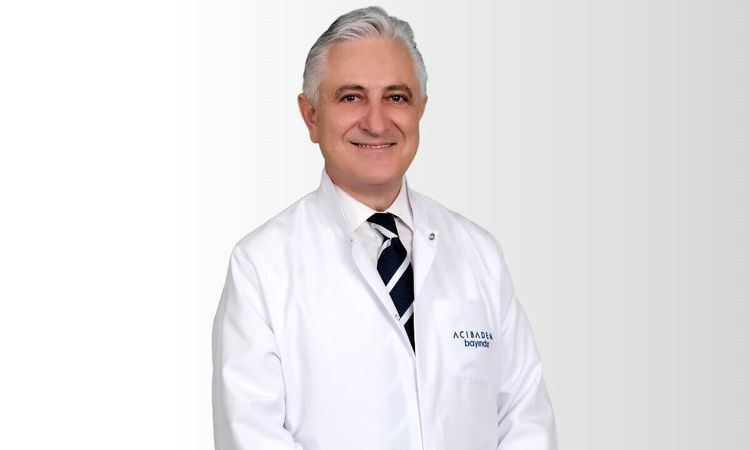
Professor Dr. Mehmet Ali Özatik, a Cardiovascular Surgery Specialist at Acıbadem Bayındır Söğütözü Hospital, stated that approximately 40 percent of deaths in Turkey are caused by heart diseases, adding that coronary heart disease can largely be prevented through early diagnosis, regular check-ups, and lifestyle changes.
Cardiovascular diseases are among the most significant public health problems in Turkey. Professor Dr. Mehmet Ali Özatik, a Cardiovascular Surgery Specialist, highlighted that approximately 40 percent of all deaths in Turkey are caused by heart diseases, warning that coronary heart disease can largely be prevented through early diagnosis and lifestyle changes. Professor Dr. Özatik stated that the heart is a vital organ that works non-stop throughout life, saying, "Our heart contracts and relaxes an average of 75 times per minute and beats approximately 100,000 times a day. To sustain this intense pace of activity, it needs a continuous supply of oxygen and nutrients through vessels called coronary arteries. The narrowing or blockage of these vessels leads to coronary heart disease."
Risk Increases After Age 45 in Men, 55 in Women
Professor Dr. Özatik stated that there are both unchangeable and controllable risk factors in the development of coronary heart disease, noting the following:
"Factors such as advanced age, male gender, and a family history of heart disease cannot be changed. The risk significantly increases after age 45 in men and 55 in women. However, factors such as smoking, high blood pressure, diabetes, high cholesterol, obesity, sedentary lifestyle, excessive alcohol consumption, and chronic stress can be controlled. Smoking, in particular, is one of the most important risk factors in the development of coronary artery disease by damaging the vascular structure."
Beware of a Feeling of Pressure, Tightness, or Crushing in the Chest
Emphasizing that the most important symptom of coronary heart disease is chest pain, Professor Dr. Özatik said, "Chest pain usually occurs during walking, climbing stairs, after a heavy meal, or during stress. Patients describe it as a feeling of pressure, tightness, or crushing in the chest."
Özatik stated that the pain can often spread to the left shoulder, arm, jaw, or stomach area and may subside with rest within a few minutes, but warned that a heart attack can also develop in some individuals without any symptoms. Özatik underlined that, for this reason, it is of great importance for individuals in the risk group not to neglect regular heart check-ups.
Those with a Family History of Heart Disease Should Undergo Cardiology Check-ups Before Symptoms Appear
Özatik stated that early diagnosis and control of risk factors are among the most effective methods in preventing heart attacks and related deaths, emphasizing that it is crucial for individuals with a family history of heart disease to undergo cardiological evaluation before symptoms appear.
Blood Pressure, Cholesterol, and Blood Sugar Should Be Monitored Regularly
Özatik, pointing out that it is possible to prevent coronary heart disease, made the following recommendations:
"Smoking should be avoided, and blood pressure, cholesterol, and blood sugar should be monitored regularly. At least 150 minutes of regular physical activity should be performed weekly, and a Mediterranean-style diet rich in vegetables, fruits, and olive oil should be preferred. Ideal weight should be maintained, stress management should be prioritized, and regular health check-ups should not be neglected." - ANKARA