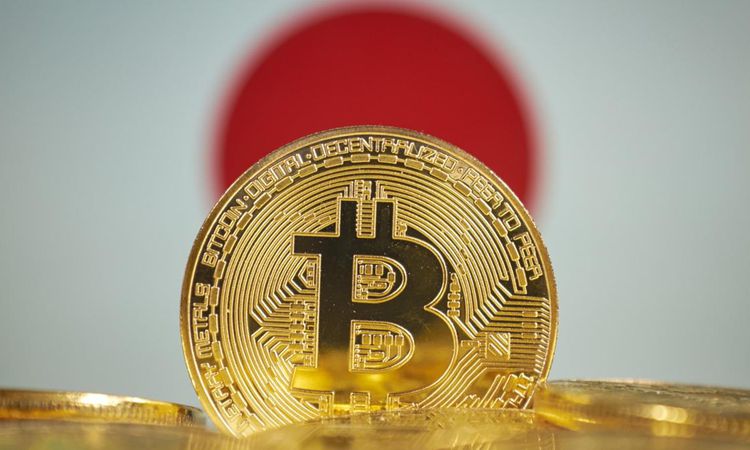
The amendments to the Financial Instruments and Exchange Law were approved at the plenary session of the Council of Advisors on Wednesday and passed by both houses of the parliament. The law redefines crypto assets as a separate category of financial products, similar to stocks and bonds. Cryptocurrency was previously regulated as a means of payment under the Payment Services Act.
The new regulation imposes stricter bans on insider trading, mandatory annual disclosures for certain cryptoasset issuers, and harsher penalties for unregistered activities. According to local media, the maximum prison sentence was increased from three to ten years, and the fine was increased from 3 million yen to 10 million yen, or approximately $18,500 to $61,600.
The changes lay the groundwork for separate taxation for crypto with an effective rate of around 20 percent, as well as a three-year loss offset facility. Japan currently taxes crypto earnings as miscellaneous income, and the rate can be as high as 55 percent. The tax reform is expected to take effect in January 2028, with implementation due to begin in fiscal 2027.
The law also lays the groundwork for the issuance of spot cryptocurrency exchange-traded funds within the country. According to local media, the Japan Exchange Group (JPX) is considering listing the first crypto ETFs, with traditional institutions expected to be issuers, as early as 2027. However, domestic approval of Bitcoin ETFs has not been finalized yet.
The law is planned to be published in the official gazette soon and come into force within one year of its publication. Detailed implementation rules will be finalized with cabinet decrees and audit guides.