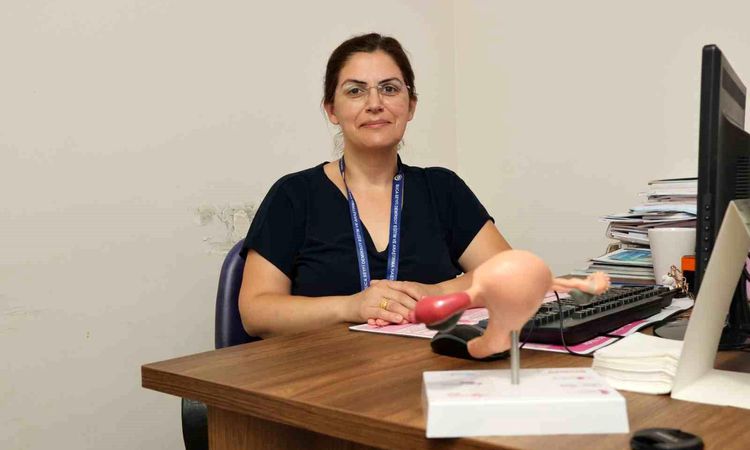
Buca Seyfi Demirsoy EAH Gynecology and Obstetrics Specialist Specialist. Dr. Derya Burankulu stated that involuntary urinary leakage (urinary incontinence), which is common in women over the age of 65, should not be seen as a natural consequence of aging, and said that this condition can be treated with successful methods today.
Specialist stated that urinary incontinence, whose incidence is over 70 percent in women over the age of 65, is hidden by many women with a sense of shame or the idea that it is "an inevitable part of old age". Dr. Burankulu emphasized that the quality of life of patients can be significantly increased with early diagnosis and correct treatment.
Expert stated that the weakening of the pelvic floor muscles, the decrease in estrogen hormone and changes in bladder functions are among the main causes of urinary incontinence. Dr. Burankulu said that the most common types of urinary incontinence in elderly women are stress type, urgency type (overactive bladder) and mixed type urinary incontinence, where both types occur together.
Hidden dangers from depression to infection
Expert stated that urinary incontinence causes important consequences not only physically but also psychologically and socially. Dr. Burankulu said, "Patients may avoid social environments for fear of missing out and may not want to leave the house. This situation can cause depression, sleep disturbance and social isolation. In addition, constant use of pads can pave the way for recurrent urinary tract infections and skin problems." he said.
First step in diagnosis: Keep a body diary
Specialist stated that the patient's medical history, medications, urinalysis and physical examination were evaluated during the diagnosis process. Dr. Burankulu stated that, when necessary, patients are asked to keep a urination diary showing their fluid consumption and toilet habits.
Stating that the treatment is planned individually, Specialist said. Dr. Burankulu said that losing excess weight, limiting caffeinated and carbonated drinks, kegel exercises that strengthen the pelvic floor muscles and bladder training are among the basic steps of treatment. He noted that while drug treatment gives effective results, especially in urge-type urinary incontinence, high success rates are achieved with surgical methods that support the bladder neck in stress-type urinary incontinence seen during coughing and sneezing.
Gynecology and Obstetrics Specialist Specialist emphasizes that urinary incontinence is not something to be ashamed of or to hide. Dr. Derya Burankulu stated that women with complaints should consult a gynecologist and obstetrician without delay and said, "Urinary incontinence is not a fate, it is a disease that can be treated." he said. - IZMIR