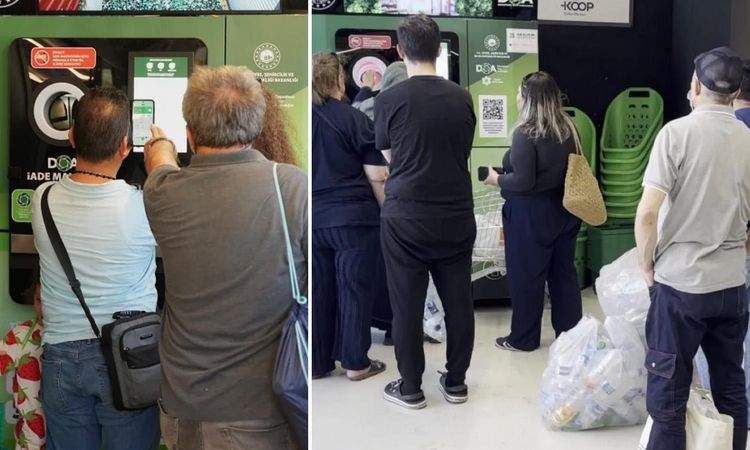
The balance sheet for the first weeks of the Deposit Return System (DOA), which officially came into effect across Turkey as of July 1, 2026, has become clear. In the system, which achieved significant success by exceeding the 20 million return threshold in the first 10 days, radical measures are being implemented against abuses that kept machines occupied for hours and exceeded limits. Nurullah Öztürk, President of the Turkish Environment Agency (TÜÇA), stated in remarks to CNBC-e that as of tomorrow, logins to the system using TCKN and phone number will be temporarily suspended, and transactions will only be conducted via QR code through the mobile application.
Following the system's activation, the ministry and agency took action due to the congestion at deposit return points and some users effectively "holding machines hostage." TÜÇA President Nurullah Öztürk stated that a per-transaction limit was set under normal circumstances to prevent queues at machines, but this limit was systematically circumvented by some users. Öztürk detailed the method of abuse with these words: "We started with a total limit of 200 items in 4 parts on our machines. We tried to keep this limit low to avoid queues. However, during the integration period, we are also gaining new experiences. Some of our citizens come with 1500-2000 packages. We observed practices where they exceeded this limit by entering the TCKN and mobile phone numbers of their friends, spouses, or acquaintances."
To prevent queues and ensure fair use of the machines, entry procedures will completely change as of tomorrow. In this regard;
With the overcoming of temporary congestion and integration issues, the system's coverage area will be further expanded. In the recycling model, which reached a record return figure of 20 million in the first 10 days, the ultimate goal is to extend deposit return points to local neighborhoods. TÜÇA President Öztürk announced that traditional grocery stores and kiosks will also be integrated into the system by the end of 2026, allowing citizens to easily make deposit returns at neighborhood grocers without needing to go to large supermarkets.